
Why Couriers Fail in London Traffic
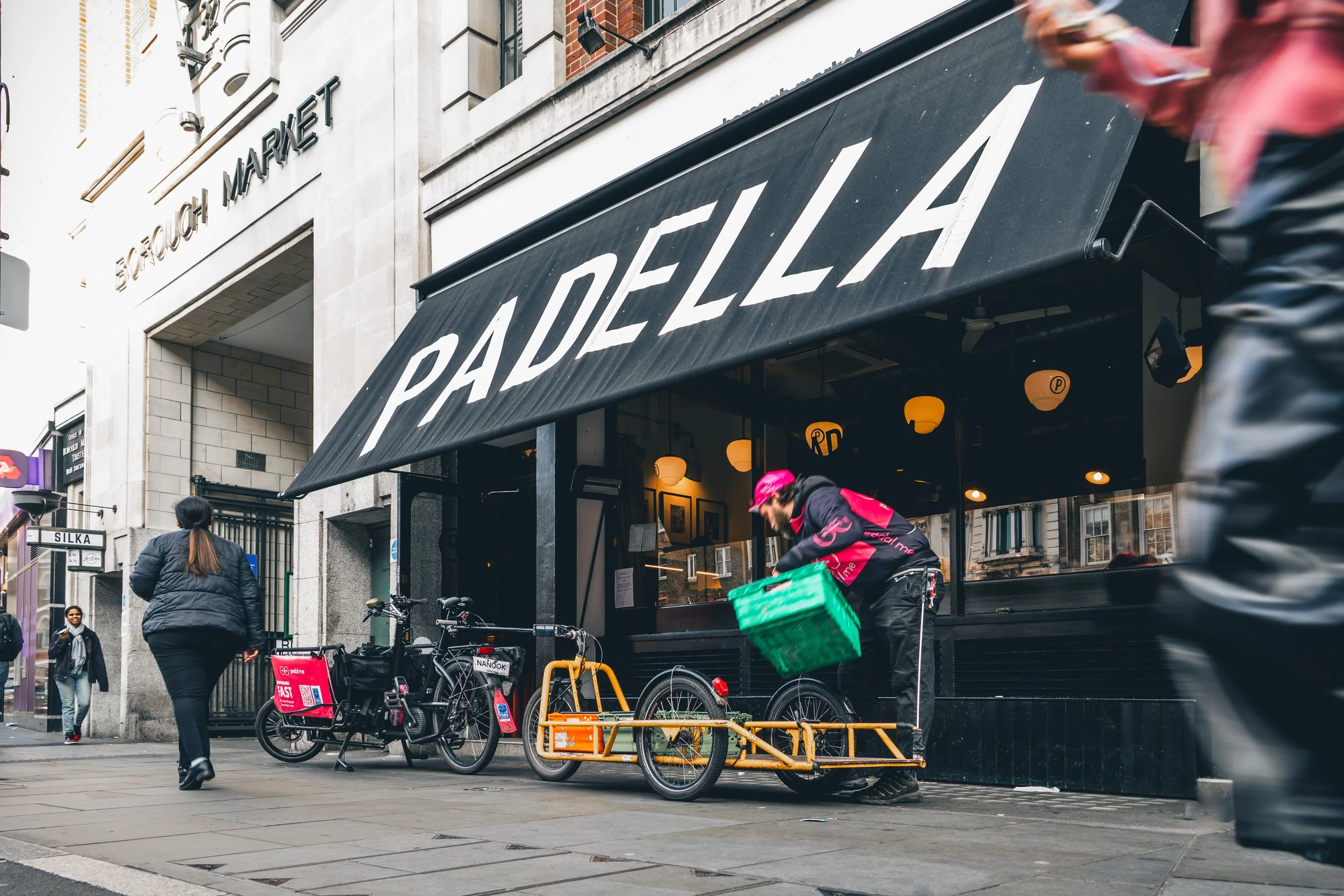
London has a way of exposing weak logistics. Routes that look efficient collapse under pressure. Pickups drift late. Deliveries miss their slots. Customers wait, refresh tracking pages, and quietly lose confidence.
Courier failure in London traffic rarely comes down to intent. It comes down to speed, agility, and reliability, or the lack of them. In a city where minutes matter, many courier models simply cannot move fast enough or adapt quickly enough to keep promises.
Speed Is Not About Going Faster
Most couriers talk about speed. Few actually deliver it.
In London, speed has very little to do with top velocity. It is about momentum. The ability to keep moving while others stall. Vans crawl through congestion, circle for parking, and stack delays that compound across the day. A single late pickup knocks every delivery after it out of sync.
Fast last mile delivery in London depends on consistency. Predictable journey times beat optimistic ETAs every time. Businesses do not need miracles. They need reliability they can plan around.
Agility Wins When Traffic Turns Against You
Urban logistics in London changes by the minute. Roadworks appear overnight. Accidents freeze whole corridors. Enforcement shifts without warning. Traditional courier networks struggle to respond because they are rigid by design.
Agility is the quiet differentiator. It is the ability to reroute instantly, adjust sequencing on the fly, and keep collections moving even when the city throws up obstacles. Without that flexibility, courier delays in London become inevitable.
This is where many providers fail. They optimise static routes in a dynamic city.
Reliability Is the Real Product
Customers rarely talk about logistics when it works. They talk about it when it fails.
Reliability in a London courier is not a brand slogan. It is the result of systems that absorb disruption without passing it on to the customer. Pickups happen when promised. Deliveries arrive intact, on time, and without excuses.
Time critical deliveries in London demand this level of control. Missed handovers cost businesses far more than the delivery fee itself.
Why Traditional Courier Models Break Down
The problem is structural. Large vehicles, fixed routes, and brittle planning tools struggle in a city built for movement, not storage. Every pause introduces friction. Every delay ripples outward.
Technology helps, but only when paired with a delivery model that can actually respond. Software cannot move a van through gridlock. Data cannot conjure a parking space where none exists.
Last mile logistics in London rewards operators that reduce points of failure, not those that attempt to optimise around them.
Where Pedal Me Delivers Differently
Pedal Me operates with a single priority, getting packages collected and delivered on time, every time.
Speed comes from staying in motion. Agility comes from routing intelligence that adapts in real time. Reliability comes from systems designed specifically for London’s streets rather than retrofitted from elsewhere.
Clients choose Pedal Me because collections happen when booked. Delivery windows hold. Fragile items arrive handled with care, not rushed or compromised by pressure further up the chain.
The mechanics behind this matter less than the outcome. Fewer missed slots. Fewer excuses. Fewer follow up emails asking where something is.
What This Means for Businesses
In a city like London, logistics performance shapes trust. When deliveries land smoothly, operations feel calm. When they do not, everything else feels harder than it should.
The most effective courier partnerships fade into the background. They work quietly, predictably, and without drama. That is what speed, agility, and reliability actually look like in practice.
Pedal Me reflects a shift in how businesses think about last mile delivery. Less noise. Fewer variables. More certainty.
If your operation depends on fast, reliable courier services in London, it is worth asking a simple question. Not how a delivery is made, but how often it arrives exactly when you need it to.
